August 27, 2026
Professional extractions involve more than simply removing visible congestion from the skin. They require an understanding of skin structure, sanitation, pressure, timing, and the differences between conditions that can and cannot be safely addressed through an extraction procedure. Esthetics education helps students develop the knowledge and practical awareness needed to approach these services responsibly. As interest in personal appearance and skincare continues to expand, more people are seeking professional guidance for maintaining healthy-looking skin. According to Personal Care Insights, 68% of men say they care more about their physical appearance today than they did five years ago, creating additional opportunities for professionals in the personal care industry. This growing interest makes proper education especially important for students preparing to work directly with clients. A quality esthetician program can help students understand why safety, assessment, and proper technique must work together during every stage of a skincare service. Learning the right process from the beginning can help future professionals develop habits that support effective and responsible client care.
Building a Strong Foundation in Skin Knowledge
Before students begin practicing extraction techniques, they need to understand the skin they will be working with. Education often begins with the structure and function of the skin, including the layers that protect the body and respond to environmental factors. Students also learn about pores, sebaceous activity, common skin concerns, and the factors that can contribute to congestion. This knowledge helps them understand why different clients may require different approaches. Not every blemish or clogged pore should be treated in the same way. An esthetician program can teach students how skin type, sensitivity, and current conditions may influence the services they provide. Building this foundation allows students to approach hands-on work with greater awareness rather than relying on a one-size-fits-all technique. Understanding the skin is an essential starting point for learning when and how extractions may be appropriate.
Learning Proper Client Assessment
An effective skincare service begins before an extraction tool or technique is used. Students learn the importance of observing the skin and gathering information about the client's concerns and goals. A proper assessment can help identify areas of congestion while also drawing attention to conditions that may require a different approach. Skin may react differently depending on sensitivity, irritation, inflammation, and other factors. During an esthetician program, students can learn how to evaluate these visible conditions and determine whether an extraction service is appropriate within their scope of practice. This assessment process also encourages students to avoid treating every skin concern as something that should be extracted. Professional judgment involves recognizing when to proceed, when to adjust a service, and when an area should be left alone. Developing these observational skills can help future estheticians create more thoughtful service plans for individual clients.
Practicing Thorough Sanitation Procedures
Safety is one of the most important parts of any hands-on skincare service. Extractions involve close contact with the skin, making proper sanitation and hygiene essential throughout the process. Students learn how to prepare their work area, maintain clean hands, and follow appropriate procedures for the tools and materials used during treatment. These practices help create a cleaner environment for both the client and the professional. An esthetician program may also teach students how sanitation procedures fit into the overall sequence of a facial or skincare service. Cleaning the skin properly before beginning can help prepare the area for the next steps. Maintaining organized and sanitary work habits is equally important after the service has been completed. Repeated practice can help these procedures become a consistent part of a student's professional routine.
Understanding When Extractions Are Appropriate
One of the most valuable lessons students can learn is that more extractions do not necessarily mean a better service. Certain areas of congestion may be suitable for treatment, while other conditions may require a different approach. Attempting to force an extraction can cause unnecessary irritation and may leave the skin looking worse than it did before. Students therefore need to understand the importance of patience and professional restraint. Through an esthetician program, future skincare professionals can learn to recognize situations where an area should not be manipulated. This may include skin that appears overly inflamed, irritated, damaged, or otherwise unsuitable for the procedure. Knowing when to stop is just as important as knowing how to perform the technique. This balanced approach can help students prioritize the client's skin condition over the desire to remove every visible imperfection.
Developing Controlled Extraction Techniques
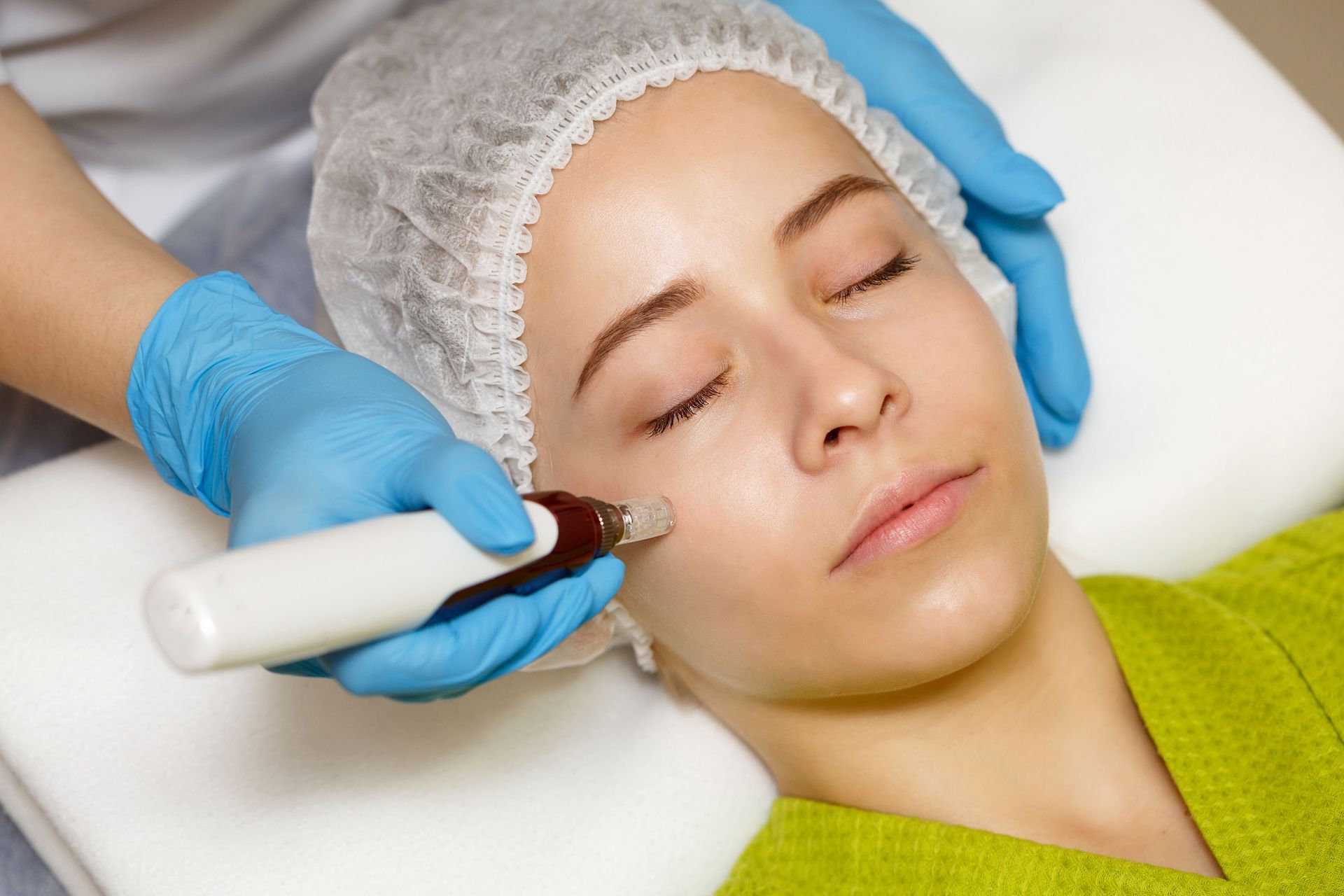
Technique plays an important role in helping students perform extractions carefully and effectively. Applying excessive pressure or using poor positioning can increase discomfort and place unnecessary stress on the skin. Hands-on education allows students to practice controlled movements under appropriate instruction and supervision. They can learn how preparation, positioning, and gentle pressure work together during the process. An esthetician program gives students opportunities to develop their technique gradually rather than attempting to master every skill at once. Practice can also help students become more aware of how different areas of the face may require different levels of care. Over time, repeated instruction can improve coordination and confidence while reinforcing the importance of working carefully. Developing controlled techniques helps students understand that successful extractions depend on precision rather than force.
Preparing the Skin Before Treatment
Preparation can influence both the comfort and effectiveness of an extraction service. Students learn that beginning the procedure without properly preparing the skin may make the process more difficult and less comfortable. Cleansing can remove surface impurities, while other appropriate treatment steps may help prepare the skin according to the service being performed. The specific process can vary depending on the client's skin and the products or techniques included in the treatment. A thoughtful approach allows the esthetician to consider what the skin needs before moving into the extraction stage. Students also learn to pay attention to how the skin responds throughout the service. If irritation or sensitivity becomes apparent, the treatment plan may need to be adjusted. Proper preparation reinforces the idea that extractions are only one part of a complete and carefully planned skincare service.
Recognizing the Importance of Client Comfort
Technical ability is important, but client comfort should also remain a priority during skincare services. Extractions can sometimes create temporary discomfort, particularly when the skin is congested or sensitive. Students learn the value of communicating with clients and paying attention to their reactions throughout the procedure. Explaining what is happening can help clients feel more prepared and comfortable. An esthetician program can teach future professionals that communication is an important part of delivering a professional experience. Checking in with the client may also help the esthetician determine whether the approach needs to be adjusted. A calm and attentive manner can make the service feel more manageable for the person receiving it. When technical knowledge and thoughtful communication work together, students can develop a more client-focused approach to skincare.
Learning From Hands-On Practice
Reading about extraction techniques can provide useful information, but hands-on practice gives students an opportunity to apply what they have learned. Practical education allows them to connect classroom concepts with the movements and decision-making involved in real services. Under instruction, students can practice following the proper sequence and maintaining professional habits throughout the treatment. They can also receive feedback that helps them identify areas for improvement. This learning process is valuable because every service may present different skin conditions and client needs. Repetition helps students become more familiar with the procedures while continuing to reinforce safety standards. Practical training can also teach students how to remain calm and focused while performing detailed work. Experience gained through supervised practice can help future professionals feel better prepared as they continue developing their skills.
Ready to begin building your knowledge and practical skills in the beauty industry? Contact International School of Skin, Nailcare & Massage Therapy today to learn more about our esthetics education and take the next step toward your future career.