10 Things to Look for When Choosing the Right Esthetician School
Choosing the right esthetician school is one of the most important decisions you will make if you are pursuing a career in skincare, beauty, and wellness. With the beauty industry continuing to expand and evolve, the quality of your education can directly influence your confidence, employability, and long-term career growth. Not all programs offer the same level of instruction, resources, or career preparation, which makes careful evaluation essential.
An esthetician school should do more than teach basic techniques—it should prepare students to meet licensing requirements, adapt to industry trends, and deliver professional services with confidence. From accreditation and curriculum to facilities and career support, each factor plays a role in shaping your educational experience. As demand for skilled estheticians grows, selecting a school that aligns with your goals can position you for long-term success. This guide outlines the most important elements to evaluate so you can make an informed, confident choice when selecting a beauty school.
1. Verify Accreditation and Credibility
Accreditation is one of the first factors to examine when researching an esthetician school. Accredited programs meet established educational standards and are recognized by licensing boards and industry employers. Attending an accredited institution ensures that your education aligns with state requirements, allowing you to sit for licensing exams after graduation. Without proper accreditation, even strong coursework may not be accepted by regulatory agencies.
Credibility also extends beyond formal accreditation. A reputable esthetician school maintains transparent policies, professional affiliations, and a track record of graduate success. Employers often prefer candidates trained at schools known for consistent quality and professionalism. Verifying accreditation and credibility protects your investment of time and money while ensuring your education carries real value in the workforce.
2. Evaluate Reputation and Industry Standing
A school's reputation offers insight into the quality of education and student experience you can expect. Researching reviews, testimonials, and graduate outcomes can reveal how well an esthetician school prepares students for real-world careers. Positive feedback from former students often reflects strong instruction, supportive faculty, and effective career preparation.
Industry standing also matters. Schools respected within the beauty community often maintain partnerships with spas, clinics, and salons. These connections can open doors to internships, externships, and employment opportunities. Choosing an esthetician school with a strong reputation enhances your professional credibility and increases your chances of long-term career success.
3. Review Curriculum Depth and Structure
A strong curriculum is the foundation of any quality esthetician school. Coursework should cover essential topics such as skin analysis, facial treatments, hair removal, sanitation, safety protocols, and client consultation. These fundamentals ensure graduates are prepared to meet licensing requirements and perform services confidently.
Beyond the basics, curriculum structure should balance classroom learning with hands-on training. Programs that integrate theory with practice allow students to immediately apply what they learn. A well-designed curriculum supports different learning styles and builds both technical and professional skills. When evaluating an esthetician school, ensure the curriculum is comprehensive, current, and aligned with industry standards.
4. Explore Specialization Opportunities
Specialization options can significantly enhance your education and career prospects. Some esthetician schools offer advanced training in areas such as medical esthetics, advanced skincare treatments, spa management, or holistic wellness services. These focused learning paths allow students to differentiate themselves in a competitive job market.
As industry demand grows, specialized skills become increasingly valuable. According to Bizplanr.ai, the beauty industry is projected to grow by roughly 3-6% per year in the coming years. This growth creates opportunities for estheticians with advanced knowledge and niche expertise. Selecting an esthetician school that offers specialization options can help you align your education with emerging career trends.
5. Prioritize Hands-On Training
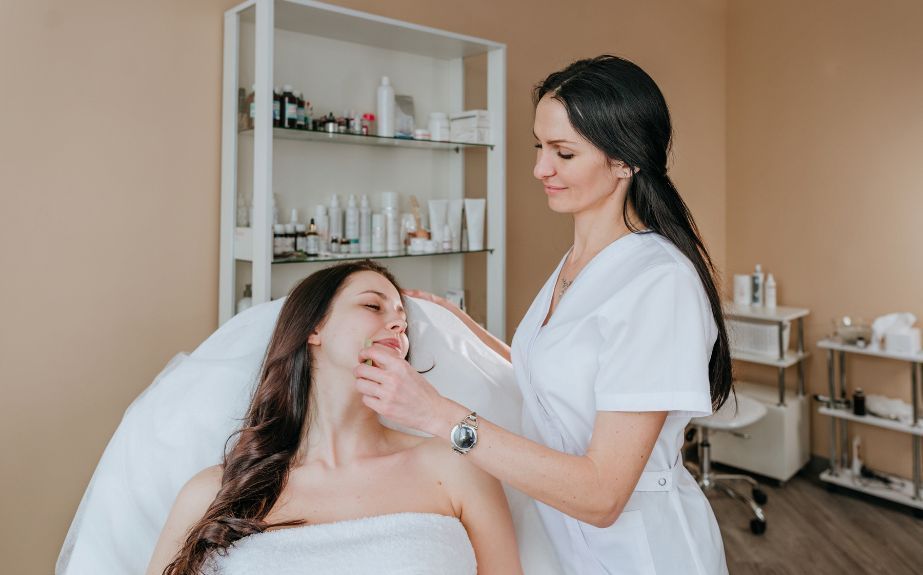
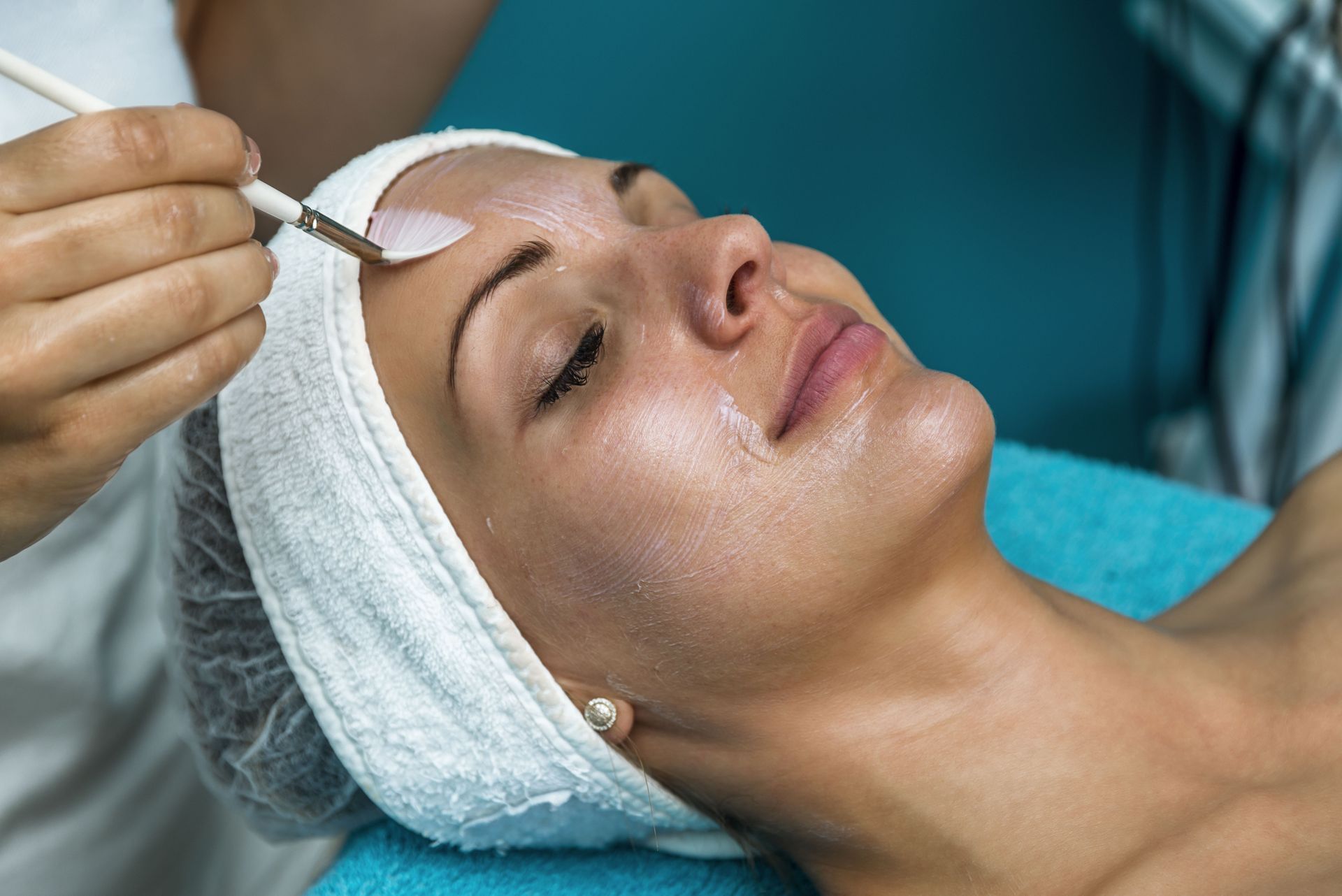
Hands-on experience is essential for developing confidence and competence in esthetics. A quality esthetician school provides ample opportunities for supervised practice, allowing students to work with real clients in controlled environments. Practical training helps students refine techniques, improve client communication, and build professional habits.
Programs with strong hands-on components often produce graduates who are better prepared for licensing exams and employment. Clinical hours, live demonstrations, and instructor feedback play a vital role in skill development. When evaluating an esthetician school, ensure that hands-on training is not limited but integrated throughout the program.
6. Assess Instructor Experience and Expertise
Instructors shape the learning experience at any esthetician school. Faculty members with professional certifications, teaching experience, and industry backgrounds bring valuable insight to the classroom. Their firsthand knowledge of real-world practices helps bridge the gap between education and employment.
Experienced instructors also stay informed about industry trends, technologies, and regulatory changes. Their guidance can help students understand not only how to perform services, but why certain techniques and standards matter. Learning from knowledgeable instructors enhances confidence, professionalism, and readiness for the workplace.
7. Examine Facilities and Learning Environment
Facilities play a major role in preparing students for professional practice. A modern esthetician school should offer clean, organized, and well-equipped classrooms and treatment areas that resemble real spa or clinical environments. Training in realistic settings helps students transition smoothly into professional roles.
Access to updated equipment and tools ensures students learn using industry-standard technology. A supportive learning environment also encourages professionalism, time management, and client-focused behavior. Touring facilities or viewing detailed descriptions can help you assess whether an esthetician school offers a setting conducive to success.
8. Confirm Access to Professional Products
Exposure to professional skincare products is an important part of esthetic education. A strong esthetician school provides students with hands-on experience using multiple product lines and formulations. This exposure helps students understand ingredient functions, skin compatibility, and treatment customization.
Familiarity with professional products also builds confidence when recommending treatments or retail items to clients. Learning how different products perform on various skin types prepares students for real-world consultations. Product access enhances technical skills and supports a more well-rounded education.
9. Evaluate Career Support and Job Placement
A high-quality esthetician school should offer robust career support to help students transition smoothly from education to employment. This includes services such as resume workshops, mock interviews, job placement assistance, and guidance on building a professional portfolio. Schools with strong career support programs empower students to confidently enter the workforce and navigate the competitive beauty industry. By evaluating these services before enrolling, you can ensure that your investment in education translates into real career opportunities.
Job placement rates and alumni success are important indicators of how effective a school's career services are. A school that maintains partnerships with local spas, salons, wellness centers, and dermatology clinics can offer students valuable networking opportunities and hands-on experience even before graduation. These connections often lead to internships, apprenticeships, and full-time employment, giving graduates a competitive edge. When researching esthetician programs, ask about average employment rates for graduates and the types of positions alumni typically secure.
10. Understand Tuition and Total Costs
Tuition costs vary widely among esthetician schools, making financial planning essential. Understanding what tuition includes—such as materials, kits, textbooks, and exam fees—helps avoid unexpected expenses. Comparing total costs allows you to evaluate value rather than price alone.
While affordability matters, the lowest-cost option may not offer the best education or career outcomes. Evaluating tuition alongside program quality, support services, and facilities helps ensure a strong return on investment. Transparent pricing reflects professionalism and accountability.
Choosing the right beauty school requires careful consideration of accreditation, curriculum, hands-on training, facilities, faculty, and career support. Each factor contributes to the quality of education and the opportunities available after graduation. With the beauty industry continuing to expand, selecting a school that aligns with your goals is more important than ever.
A well-chosen esthetician school provides not only technical skills but also confidence, professionalism, and long-term career readiness. If you are ready to take the next step toward a rewarding future in skincare and wellness, contact International School of Skin, Nailcare & Massage Therapy today to learn how our programs can help you build a successful and fulfilling career.


Share On: